Budget vs Premium Meat Cuts What You Need to Know to Make the Right Choice
- Utrecht Butcher
- Apr 7
- 4 min read
Choosing the right meat cut can be confusing. Many customers face the dilemma of whether to buy budget or premium meat cuts. Both options offer value, but their best uses depend on what you want to cook and how you plan to prepare it. Understanding the differences between budget vs premium meat cuts helps you make informed decisions that suit your taste, budget, and cooking style.
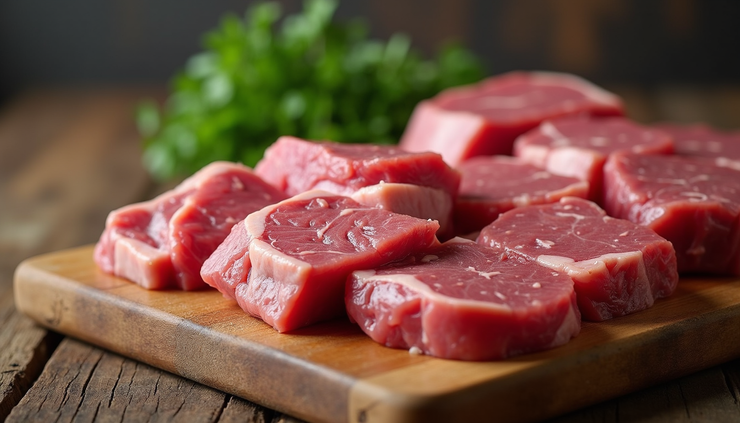
What Are Budget Meat Cuts?
Budget meat cuts come from parts of the animal that get more exercise, such as the shoulder, chest, and legs. These cuts include chuck, brisket, and stewing beef. They tend to be tougher because they contain more connective tissue and muscle fibers. This toughness means they require longer, slower cooking methods to become tender and flavorful.
Characteristics of Budget Cuts
Tough texture due to connective tissue and muscle use
Affordable price compared to premium cuts
Rich flavor that develops with slow cooking
Often sold in larger portions, ideal for bulk cooking
Best Cooking Methods for Budget Cuts
Slow cooking: Using a slow cooker or oven at low temperatures breaks down collagen, making the meat tender.
Braising: Cooking meat slowly in liquid keeps it moist and enhances flavor.
Stewing: Cutting meat into cubes and simmering in liquid for a long time softens tough fibers.
Examples of budget cuts:
Chuck: Great for pot roast or ground beef.
Brisket: Perfect for slow roasting or smoking.
Stewing beef: Ideal for hearty soups and stews.
These cuts reward patience and the right cooking technique with rich, satisfying meals.
What Are Premium Meat Cuts?
Premium meat cuts come from less exercised parts of the animal, such as the loin and rib sections. These cuts include fillet, ribeye, sirloin, and T-bone. They are prized for their tenderness, fine texture, and marbling, which adds flavor and juiciness. Premium cuts usually cost more but require less cooking time and are often featured in special meals.
Characteristics of Premium Cuts
Tender texture with minimal connective tissue
Fine grain and marbling for juicy flavor
Higher price point reflecting quality and demand
Often served in smaller portions due to richness
Ideal Cooking Methods for Premium Cuts
Grilling: High heat cooks the meat quickly, sealing in juices.
Pan-frying: Allows precise control over cooking and browning.
Broiling: Uses intense heat from above for fast cooking.
Examples of premium cuts:
Fillet (Tenderloin): The most tender cut, excellent for quick cooking.
Ribeye: Known for marbling and flavor, great on the grill.
Sirloin: A balance of tenderness and flavor, versatile for many dishes.
T-bone: Combines tenderloin and strip steak, ideal for grilling.
Premium cuts shine when cooked simply to highlight their natural qualities.
Comparing Budget vs Premium Meat Cuts
Understanding the key differences helps you choose the right cut for your meal.
| Feature | Budget Cuts | Premium Cuts |
|--------------------|-----------------------------------|----------------------------------|
| Tenderness | Tough, needs slow cooking | Naturally tender, cooks quickly |
| Flavor | Deep, rich after slow cooking | Delicate, enhanced by marbling |
| Cooking Time | Long (hours) | Short (minutes) |
| Cost | Affordable, good for bulk | Expensive, smaller portions |
| Best Use | Stews, braises, slow roasts | Grilling, pan-frying, special meals |
Budget cuts offer great value when you want hearty, slow-cooked dishes. Premium cuts provide a luxurious experience for quick, flavorful meals.
When to Choose Budget Cuts
Budget meat cuts are perfect for:
Everyday meals where cost matters but flavor is still important.
Bulk cooking like large stews or casseroles that feed many people.
Slow-cooked dishes such as pot roasts, braised beef, and soups.
When you want to stretch your meat budget without sacrificing taste.
These cuts are forgiving and develop wonderful flavors with time and the right technique.
When to Choose Premium Cuts
Premium meat cuts work best for:
Special occasions where presentation and tenderness matter.
Braais or barbecues where quick cooking over high heat is preferred.
Quick meals that require minimal preparation but maximum flavor.
Dishes focused on texture and appearance, such as steak dinners.
Choosing premium cuts elevates your meal and impresses guests with quality.
Butcher Tips to Make Budget Cuts Taste Premium
You don’t have to spend a lot to enjoy delicious meat. Here are ways to make budget cuts taste like premium:
Marinate: Use acidic marinades (vinegar, citrus) to break down tough fibers and add flavor.
Cook low and slow: Patience is key to tenderizing tough cuts.
Slice against the grain: Cutting meat perpendicular to muscle fibers makes it easier to chew.
Use seasoning and herbs: Enhance natural flavors with garlic, rosemary, or spices.
Rest meat after cooking: Let it sit to redistribute juices for better texture.
These tips help you get the most from budget cuts without compromising taste.
Common Mistakes to Avoid
Choosing the wrong cut or cooking it improperly can ruin your meal. Watch out for these errors:
Overcooking premium cuts: These cuts cook fast and become dry if left too long.
Undercooking tougher cuts: Budget cuts need enough time to break down connective tissue.
Using the wrong cooking method: For example, grilling brisket quickly won’t tenderize it.
Not resting meat: Cutting into meat immediately after cooking causes juice loss.
Ignoring slicing technique: Cutting with the grain makes meat chewy.
Avoiding these mistakes ensures your meat is tender, juicy, and flavorful.
Frequently Asked Questions
What is the main difference between budget and premium meat cuts?
Budget cuts come from more exercised parts of the animal, making them tougher but flavorful after slow cooking. Premium cuts are naturally tender and best cooked quickly.
Can budget cuts be as tasty as premium cuts?
Yes, with the right cooking methods like marinating and slow cooking, budget cuts can be very flavorful and tender.
How do I know which cut to choose for grilling?
Choose premium cuts like ribeye, sirloin, or T-bone for grilling because they cook quickly and stay tender.
Are budget cuts healthier than premium cuts?
Both types offer similar nutritional value. Budget cuts may have more connective tissue but also provide good protein and flavor.
How should I store meat cuts to keep them fresh?
Keep meat refrigerated at 0-4°C and use within a few days, or freeze for longer storage. Always store in airtight packaging.

Comments